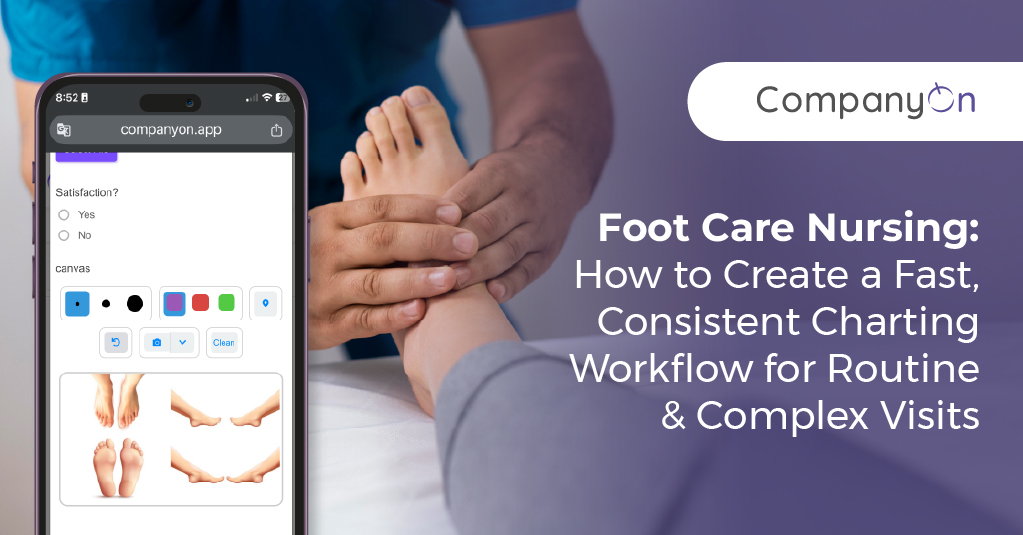
Foot Care Nursing: How to Create a Fast, Consistent Charting Workflow for Routine & Complex Visits
For foot care nurses, charting is not just a documentation task. It is a core part of clinical quality, continuity of care, billing accuracy, and risk management. But when documentation is inconsistent or overly manual, it quickly becomes a source of stress. Notes take too long, key details get buried in free text, and routine visits end up requiring almost as much administrative effort as complex ones.
That is why building a strong foot care nursing charting workflow matters. A clear, repeatable system helps nurses document faster without sacrificing quality. It also makes it easier to track recurring issues, monitor wound progression, capture risk factors, and stay organized across home visits, clinic appointments, and long-term patients.
The goal is not to make every chart identical. It is to create a workflow that supports both efficiency and clinical judgment. With the right structure, templates, tags, and pre-visit forms, foot care nurses can reduce repetitive admin, standardize their documentation, and spend more time focused on patient care.
In this article, we will look at how to create a faster, more consistent charting workflow for both routine and complex foot care visits.
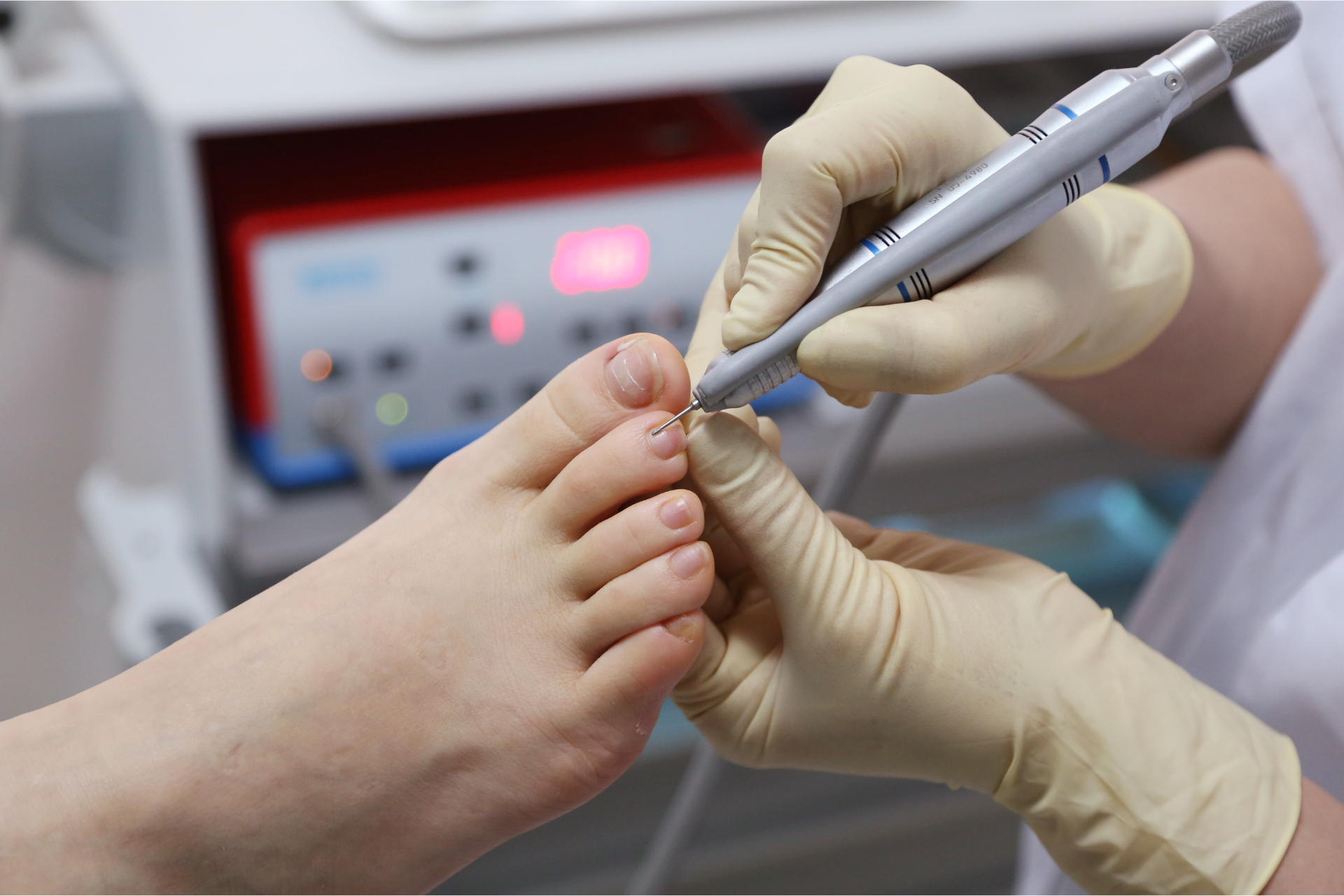
Why foot care nursing needs a structured charting workflow
Foot care nursing often includes a mix of predictable services and more complex clinical scenarios. A single day may involve:
- routine nail care
- diabetic foot assessments
- skin and circulation checks
- wound monitoring
- follow-up visits for high-risk patients
- patient education and home care recommendations
Without structure, documentation can become uneven from one visit to the next. Some notes may be detailed but time-consuming, while others may miss important information. Over time, this creates problems for clinical continuity, compliance, and operational efficiency.
A structured foot care nursing charting workflow helps solve this by making sure every note follows a logical pattern. It supports:
- faster documentation
- more complete clinical records
- easier review of past visits
- better consistency across routine and complex cases
- smoother handoffs if more than one provider is involved
It also reduces the mental load of starting from scratch every time.
What slows charting down in foot care nursing
Before improving the workflow, it helps to understand where time is being lost.
1. Too much free-text documentation
Free text has its place, especially for unusual findings or complex patient situations. But when every visit note is written from scratch, charting becomes slower and less consistent.
2. No standard visit structure
If the nurse has to decide how to organize every note in the moment, small inefficiencies add up. A repeatable framework makes documentation faster and easier to review later.
3. Missing pre-visit information
When allergies, medications, medical history, consent details, or reason for visit are collected inconsistently, the documentation process becomes more fragmented.
4. Routine and complex visits use the same documentation effort
Not every appointment needs the same depth of charting. A simple maintenance visit should not require the same workflow as a wound care follow-up or high-risk diabetic assessment.
5. Information is scattered across systems
If forms, charting, scheduling, and billing live in different places, nurses spend more time switching between tools and re-entering details.
The foundation of a better foot care nursing charting workflow
A good workflow should support speed, consistency, and clinical clarity. In practice, that usually means building the process around three core elements:
- templates for repeatable visit types
- tags for tracking important patterns and conditions
- pre-visit forms to collect key details before care begins
Let’s break down how each part works.
Use templates to standardize routine charting
Templates help reduce repetitive documentation while keeping notes organized. For foot care nursing, this is especially useful because many visits follow a familiar pattern.
Create templates by visit type
Instead of using one generic note for every patient, create templates based on common appointment categories, such as:
- routine foot care visit
- diabetic foot assessment
- high-risk foot care follow-up
- skin integrity or wound monitoring visit
- first-time assessment
- home visit foot care appointment
This approach keeps charting focused and relevant.
Include the same core sections every time
Your template does not need to be rigid, but it should guide the nurse through a consistent structure. For example:
Patient context
- reason for visit
- relevant history updates
- reported symptoms or concerns
Assessment
- skin condition
- nail condition
- circulation observations
- sensation findings
- pressure areas or lesions
- wound status, if applicable
Care provided
- nail care performed
- debridement or dressing care
- education provided
- referrals or escalation steps
Plan
- follow-up timing
- home care instructions
- monitoring recommendations
- next steps for higher-risk concerns
With this structure, charting becomes more efficient and easier to compare over time.
Use tags to make documentation more searchable and useful
Templates help with consistency, but tags help with visibility. In a strong foot care nursing charting workflow, tags can make it easier to identify patterns, monitor risk, and organize follow-up care.
Useful tag examples for foot care nursing
Tags can be used for:
- diabetic patient
- high-risk foot
- reduced sensation
- circulation concerns
- wound follow-up
- fungal nail changes
- mobility limitation
- home visit
- recurring callus care
- patient education completed
These tags make it easier to scan patient records and understand important context quickly.
Why tags matter in complex cases
For routine visits, tags improve organization. For complex cases, they become even more valuable because they help nurses track issues across multiple visits without relying only on narrative notes.
For example, if a patient has diabetes, reduced sensation, and a history of skin breakdown, those tags help create faster clinical visibility before the next appointment even begins.
Use pre-visit forms to reduce charting time before the visit starts
One of the easiest ways to improve documentation is to collect better information before the appointment.
Pre-visit forms can help foot care nurses gather:
- updated health history
- medications
- allergies
- consent information
- mobility limitations
- current symptoms
- concerns since the last visit
This reduces the need to collect everything verbally during the appointment and gives the nurse a stronger starting point for charting.
Pre-visit forms improve more than speed
They also support:
- more complete records
- fewer missed details
- smoother intake for repeat patients
- better preparation for complex visits
For mobile foot care nurses or busy clinics, this can make a major difference in daily efficiency.
How to handle routine vs. complex visits without overcomplicating charting
A common mistake is using the same documentation intensity for every appointment. A better system adapts to visit complexity.
Routine visits
Routine visits should use a streamlined template with structured fields and minimal free text. The note should still capture clinical quality, but it should not require unnecessary detail.
Best practices for routine charting:
- use checkboxes or structured fields where appropriate
- include standard care actions in reusable note sections
- reserve free text for important exceptions or changes
Complex visits
Complex visits need more clinical flexibility. This may include:
- wound progression details
- changes in vascular or neurological status
- patient-specific risk factors
- education and compliance issues
- referral or escalation decisions
Best practices for complex charting:
- start with the same core structure
- expand only where clinical detail is needed
- use tags to highlight ongoing concerns
- keep follow-up actions easy to identify
This balance helps nurses stay efficient without under-documenting higher-risk cases.
Build one connected workflow instead of separate admin tasks
Charting works best when it is not isolated from the rest of the patient journey. In many foot care practices, documentation delays happen because the workflow is fragmented.
A more connected process looks like this:
- Patient books appointment
- Pre-visit form is completed
- Nurse reviews key details before the visit
- Charting template is used during or after care
- Tags are added for follow-up visibility
- Billing or invoicing is completed without re-entering information
This is where integrated practice management tools can make a real difference. When scheduling, forms, charting, and billing work together, nurses spend less time on duplicate admin and more time on care.
How CompanyOn supports a better foot care nursing charting workflow
For foot care nurses and small clinics, the biggest challenge is often not documentation itself. It is the number of disconnected tasks surrounding it.
CompanyOn helps simplify that process by bringing key workflows into one place, including:
- appointment scheduling
- patient forms and intake
- charting workflows
- patient records
- invoicing and payments
That means less switching between systems, less repetitive data entry, and a smoother experience from booking to documentation to billing.
For routine visits, this supports faster, more standardized charting. For complex visits, it helps nurses stay organized while still capturing the clinical detail that matters.
Final thoughts
A strong foot care nursing charting workflow is not about writing more. It is about documenting with more consistency, less friction, and better clinical visibility.
By using templates for common visit types, tags for important conditions and follow-up needs, and pre-visit forms to collect information early, foot care nurses can create a workflow that supports both routine care and more complex patient needs.
The result is simple but powerful: less admin stress, clearer records, and more time for patient care.
If your current documentation process feels too manual or inconsistent, this is a good place to start. Small workflow improvements can have a big impact on daily efficiency and long-term care quality.
Ready to make the switch?
Try Our Platform Free for 14 days.
See CompanyOn in Action
Schedule A Free 1:1 Personalized Demo