From Nurse to CEO: Mindset and Daily Habits of a Home Care Leader

Transitioning from clinician to business owner is a journey that requires more than clinical expertise. It demands a complete shift in perspective. Becoming a successful nurse CEO means embracing a business mindset, developing strong leadership habits, and building systems that empower others while maintaining a high standard of care.

Whether you’re just launching your home care service or managing a growing team, your mindset and daily routines are critical to long-term success. In this article, we’ll explore what sets thriving healthcare leaders apart and how you can start thinking and operating like a CEO—not just a solo provider.

Nurse to CEO

1. Adopt the Nurse Entrepreneur Mindset

The shift from employee to entrepreneur starts internally. As a business owner, you’re no longer just responsible for patient outcomes—you’re responsible for revenue, operations, compliance, marketing, and reputation.

A strong nurse entrepreneur mindset means:

  • Making decisions based on data, not just intuition

  • Embracing growth and delegation, even when it feels uncomfortable

  • Seeing problems as opportunities to improve systems

  • Valuing your time as your most critical resource

Instead of asking “How do I do this myself?” start asking, “Who can help me?” or “What system can automate this?”

For nurses running their own practice, this internal transformation is the foundation for scalability and sustainability.

2. Lead with Vision, Not Just Tasks

CEOs don’t just manage—they lead. That means having a clear long-term vision for your business and ensuring every daily action aligns with that vision. It also means developing healthcare leadership habits that promote clarity, accountability, and alignment across your operations.

Set aside time weekly to:

  • Review goals and KPIs (not just clinical tasks)

  • Reflect on what’s working and what needs attention

  • Identify what to delegate, systematize, or improve

By thinking like a strategist, not just a technician, you’ll make decisions that support long-term growth instead of short-term fixes.

3. Build Systems That Support Freedom

Many solo practitioners feel stuck because the business depends entirely on them. True leadership comes from designing workflows, checklists, and systems that allow others to step in.

Whether it’s using automated booking and reminders or standardizing clinical documentation, systems create consistency and free up your time.

Ask yourself: “If I took a week off, would the business still function?” If the answer is no, start building SOPs now.

4. Prioritize Self-Leadership and Boundaries

Leadership starts with how you manage yourself. That includes energy, mindset, boundaries, and focus. You can’t care for patients—or lead a team—if you’re constantly burned out.

Daily habits of effective nurse CEOs include:

  • Time-blocking for CEO tasks (strategy, finances, partnerships)

  • Morning routines that prioritize mental clarity

  • Protecting time from constant interruptions

  • Saying no to tasks that don’t serve your role as a leader

Burnout isn’t a badge of honour—it’s a sign that it’s time to delegate and automate.

5. Invest in Your Business Education

As a clinician, you were trained to care for people. But running a home care business means learning about finance, marketing, compliance, and HR. The good news? You don’t need an MBA—you need curiosity and consistency.

Consider:

  • Reading business books (start with “The E-Myth” or “Clockwork”)

  • Taking short online courses on entrepreneurship or leadership

  • Joining a network of healthcare entrepreneurs for accountability

Surrounding yourself with business-minded peers helps normalize ambition and growth.

6. Think Like a Brand, Not Just a Service

As the face of your business, your personal brand matters. Patients choose providers they resonate with. Referrals happen when your work is both excellent and memorable.

That’s why nurse CEOs don’t just deliver care—they actively shape how their business is perceived. This includes how they show up online, in conversations, and through community presence.

If you’re still relying only on word-of-mouth, it’s time to build an intentional online presence that supports your growth.

Final Thoughts: You’re the Visionary Now

You became a nurse to make a difference. You became a business owner to do it on your own terms.

Now, your job is to lead—with clarity, systems, and confidence. Building a healthcare business takes more than hard work. It takes a CEO mindset, empowered habits, and the right tools to support your vision.

At CompanyOn, we support nurse entrepreneurs in every stage of their growth. From digital documentation to online payments, we provide the infrastructure so you can lead like a CEO—and still deliver the care that sets you apart.

Start your journey from nurse to CEO with confidence. Visit companyonapp.com to learn more.

Ready to make the switch?

Try Our Platform Free for 14 days.

See CompanyOn in Action

Schedule A Free 1:1 Personalized Demo

Personal Branding for Independent Nurses: How to Position Yourself as an Expert in Your Niche

In today’s competitive healthcare landscape, building a strong personal brand as a nurse is no longer a “nice-to-have”—it’s essential. Whether you’re delivering home-based care, running a foot care clinic, or offering wellness consultations, how patients perceive you directly impacts your ability to grow and sustain your practice.

Your brand is more than a logo or professional title. It’s the collective impression of your clinical skills, values, communication style, and consistency. With a well-crafted nurse branding strategy, you can position yourself as the go-to expert in your niche, increase your visibility, and attract patients who align with your approach to care.

The Real Value of Personal Branding in Healthcare

Unlike hospitals or franchises with big marketing budgets, independent practitioners rely heavily on reputation. Patients today are drawn to providers who offer not just services, but a relationship based on trust, understanding, and transparency.

Your personal brand builds that bridge. It influences whether someone books with you, refers you, or even remembers you. In fact, one of the most effective ways to establish that trust is to first ensure your digital presence is set up professionally, especially where your audience is already looking—Google and social media.

Consistency, empathy, and professional presentation can differentiate your practice in a crowded digital space. When your online presence is aligned with your values and clinical expertise, you become not just visible—but memorable.

Step-by-Step Guide to Branding Yourself as a Nurse Expert

1. Start With Clarity: What Do You Want to Be Known For?

The more specific your expertise, the stronger your brand positioning. Patients aren’t looking for a generalist—they want someone who understands their exact condition or context. Defining your niche early helps you become the obvious choice.

If you’re unsure how to define your ideal patient, this step-by-step framework can help. From there, you can begin shaping your content, services, and marketing around their needs.

2. Align Your Message Across All Channels

Every platform where your name appears—your email signature, website, booking page, even your voicemail—should echo the same message: who you help, how you help them, and what makes your care different.

Inconsistent branding causes confusion. A unified message, on the other hand, builds trust and recognition over time.

3. Use Content to Demonstrate (Not Just Claim) Expertise

Content is one of the most powerful tools to position yourself as an expert. Sharing insights through blogs, social media, or newsletters helps build your credibility with patients before they ever meet you.

Not sure what to post? Start by addressing the most common questions your patients ask. Share simple tips, bust myths, or explain procedures. Even short posts can boost healthcare professional visibility.

You don’t need to go viral—what matters is being consistent and relevant to the audience you want to serve. Remember, you’re not just sharing information; you’re building trust at scale.

4. Leverage Testimonials and Social Proof

Real stories from satisfied patients speak louder than any credentials. Collect testimonials and use them on your site, in brochures, or on your booking platform.

Building a referral network also increases visibility and credibility. If you’re not already connected with other health professionals in your area, consider setting up partnerships. Learn how to create a strong referral system that benefits both your patients and your brand.

Social proof isn’t limited to testimonials—being featured in community events, local directories, or collaborating with other providers also elevates your brand authority.

5. Monitor and Refine Your Brand Regularly

As your business evolves, so should your branding. Periodically audit your messaging, visuals, and online presence. Ask for feedback from patients and peers to ensure your brand reflects the quality of care you provide.

Your personal brand is a living asset. Revisit it quarterly to make sure it aligns with your current goals, services, and audience.

Long-Term Branding: Show Up with Intention, Not Perfection

Branding doesn’t mean performing. It means consistently communicating your values through your actions and presence. From how you greet clients to how you follow up after care, your brand is reinforced in every interaction.

You don’t need to do it all at once. Start with the basics—your niche, your message, your digital presence—and build from there. Over time, your brand will evolve naturally, just like your practice.

And if you’re looking for real examples of how nurses built their personal brand from scratch, this story of Diane’s transition from nurse to entrepreneur offers practical insights and inspiration.

Let CompanyOn Help You Build a Trusted Brand

Building your personal brand is easier when you have the right systems supporting your growth. At CompanyOn, we empower independent healthcare professionals with the tools to manage their business, connect with patients, and show up professionally—online and offline.

From streamlining your documentation and billing to simplifying your client communication, CompanyOn ensures that every part of your practice reflects your values and commitment to quality care.

Start showing up as the expert you are—with clarity, consistency, and confidence. Learn more at companyonapp.com.

Ready to make the switch?

Try Our Platform Free for 14 days.

See CompanyOn in Action

Schedule A Free 1:1 Personalized Demo

How Much Thought Have You Put Towards Risk Management of Your Practice And Business?

As self-regulated healthcare professionals, nurses carry both clinical and business responsibilities. If you’re running your own private practice, risk management isn’t an optional extra—it’s integral to maintaining high-quality care, protecting your license, and preserving your reputation.

From performance measurement and compliance to client empowerment, risk management allows you to operate your business safely and sustainably. In this guide, we explore six key initiatives that will help reduce your exposure to risk and elevate the quality of your care.

Why Risk Management Matters in Healthcare Practice

Risk management in healthcare means identifying, assessing, and controlling threats to patients, staff, data, and operations. For solo practitioners and small clinics, common risks include:

  • Clinical documentation errors
  • Delayed or incorrect invoicing
  • Data privacy breaches
  • Lack of emergency protocols
  • Legal liability from adverse outcomes

By implementing structured strategies, you not only protect your business, but also improve patient satisfaction and regulatory compliance.

Learn more about how CompanyOn helps streamline clinical documentation and compliance.

Six Key Initiatives to Reduce Risk in Your Practice

1. Regular Risk Assessments & Audits

Conduct internal reviews of your workflows, patient records, billing processes, and documentation. Use simple audit tools to spot gaps before they become liabilities. Ideally, conduct reviews quarterly and after any major incident.

2. Clear Policies, Protocols & SOPs

Document how things should be done—from intake to discharge. Standard Operating Procedures (SOPs) minimize variability, reduce errors, and make it easier to onboard new staff as you grow.

Need a digital tool to keep your SOPs accessible? See how CompanyOn’s cloud-based system supports your operations.

3. Education & Ongoing Training

Stay current on best practices and regulatory changes. Offer regular refreshers on documentation, privacy, infection control, and cultural competence—especially if you work with diverse populations.

4. Data Security & Privacy Safeguards

Use encrypted platforms, strong passwords, and secure backups. Comply with your local privacy laws (like PHIPA or HIPAA) and review access logs regularly.

Explore how CompanyOn helps you manage patient information securely and in compliance.

5. Incident Reporting & Root Cause Analysis

Encourage staff (or yourself) to report issues without fear. Track what went wrong, why it happened, and how to prevent it again. This builds a culture of transparency and safety.

6. Oversight, Governance & Accountability

Define who is responsible for what in your practice. Whether you work alone or with a small team, assign roles clearly and document them. Oversight ensures follow-through on audits, protocols, and reviews.

Make Risk Management Part of Your Daily Workflow

Risk management should feel integrated—not overwhelming. Here are ways to embed it into your routine:

  • Use digital checklists for weekly reviews
  • Schedule a 15-minute monthly risk meeting (even if it’s just you!)
  • Automate reminders for renewals, audits, and compliance deadlines

Want to automate key workflows? Discover CompanyOn’s all-in-one solution.

When to Seek Professional Advice

This guide is designed to raise awareness, but it’s not a substitute for legal or regulatory guidance. Always check with your professional college or a legal advisor for decisions that affect your practice, especially related to scope of practice, licensing, or serious incidents.

You’re Not Alone: Let CompanyOn Help

CompanyOn was built to support healthcare entrepreneurs. Whether you’re just getting started or scaling your clinic, we help you build a safe, compliant, and future-ready practice.

📩 Have a topic you want us to cover? Email us at [email protected]
📚 Or check out our latest resources on risk management strategies and documentation best practices.

Stay safe, stay smart—and keep growing with confidence.

Ready to make the switch?

Try Our Platform Free for 14 days.

See CompanyOn in Action

Schedule A Free 1:1 Personalized Demo

From Spreadsheets to Success: Why Your Practice Needs a Clinical Management Software Now

Many independent healthcare providers—especially those just starting out—began managing their practice using tools like Excel or Google Sheets. While it may have seemed like a practical and low-cost solution, over time, these methods become inefficient, insecure, and limiting.

Today’s patients expect a professional experience that includes automated reminders, online forms, digital payments, and secure access to their information. If you’re still relying on scattered files, paper calendars, or folders full of documents, this article is for you.

You’ll learn how moving from manual systems to a clinical management platform not only saves time but also improves the quality of care, boosts revenue, and minimizes administrative errors.

💸 The Hidden Costs of Running a Clinic on Spreadsheets

Using spreadsheets might seem cost-effective, but there are many hidden losses:

  • Data entry errors: A single typo can lead to billing issues or clinical mistakes.

  • Lack of integration: Excel doesn’t connect to your billing, forms, or scheduling tools.

  • Weak security: It doesn’t comply with regulations like PHIPA, PIPEDA, or HIPAA.

  • Delayed care: Searching for or correcting data wastes valuable clinical time.

👉 Recommended: Strategies to Reduce Errors in Digital Clinical Documentation

💻 What Is Clinical Management Software and Why It Matters Now

Clinical management software is an all-in-one solution that centralizes your appointments, documentation, billing, patient communication, and compliance in a single secure platform.

Instead of juggling multiple files or tools, you have everything you need in one place—accessible from any device, anytime. Plus, it automates critical tasks such as:

  • Patient reminders

  • Digital intake forms

  • Billing and payment reconciliation

  • Consent forms and clinical documentation

👉 Learn more about the benefits of CompanyOn’s clinical management platform

🚩 5 Signs Your Practice Is Ready to Go Digital

  • You constantly search through files to find patient info.

  • You still take notes by hand and enter them later (doubling your workload).

  • Invoices are late or frequently inaccurate.

  • You’re unsure whether your processes are compliant.

  • Admin work is taking time away from patient care or business growth.

👉 Read: Optimizing Your Practice’s Workflow with Smart Technology

🔍 How to Choose the Right Clinical Management Software

Before replacing Excel with a professional system, make sure the software offers:

  • Compliance: Ensure it meets PHIPA, PIPEDA, and HIPAA standards.

  • Automation: Includes tools for billing, reminders, e-forms, and digital consents.

  • User-friendly interface: Easy for both you and your patients to navigate.

  • Local support: Ideally based in Canada or North America.

  • Scalability: The platform should grow with your business.

👉 Complete guide: What to Look for in a Software Partner


🛠️ How CompanyOn Makes the Transition Seamless (and Stress-Free)

CompanyOn was designed specifically for solo practitioners and small clinics ready to grow without added complexity. Here’s how we help:

  • Eliminates disorganized spreadsheets.

  • Automates billing and payments to help you get paid faster.

  • Digitizes forms and consents in just a few clicks.

  • Reduces cancellations with automated appointment reminders.

  • Ensures privacy compliance, protecting your business and your clients.

👉 Explore the full platform: CompanyOn Product Feature


✅ Conclusion

Managing a modern healthcare practice on spreadsheets is no longer sustainable. What may have worked at the beginning is now holding you back. Clinical management software allows you to deliver better care, reduce risk, and build a thriving, future-ready practice.

Ready to leave spreadsheets behind and move toward digital success?
Let CompanyOn help you transition with ease, clarity, and confidence.

Ready to make the switch?

Try Our Platform Free for 14 days.

See CompanyOn in Action

Schedule A Free 1:1 Personalized Demo
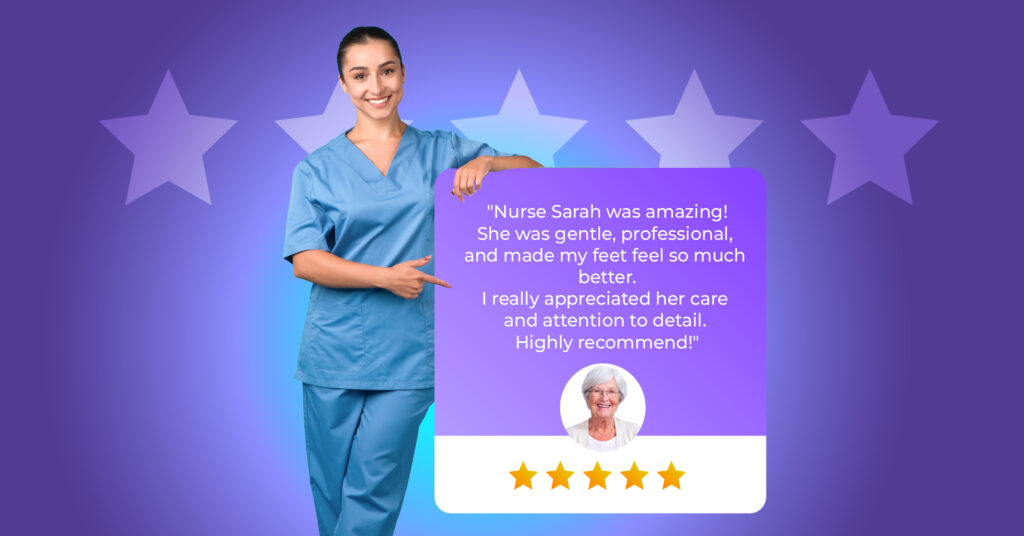
How to Turn Patient Testimonials Into a Powerful Digital Marketing Tool

In today’s competitive healthcare landscape, trust is everything. Before booking an appointment, potential patients often search for social proof — and patient testimonials are one of the most persuasive forms of it. For solo practitioners, nurse entrepreneurs, and small clinics, leveraging testimonials is a cost-effective way to build trust, reinforce credibility, and attract more patients online.

But how do you collect and present testimonials effectively? And how can you transform them into a real growth engine for your clinic?

Let’s explore practical strategies to turn kind words into powerful marketing assets.

CompayOn APP

Why Testimonials Matter in Healthcare Marketing

Patient testimonials do more than flatter — they:

  • Build credibility with new patients.

  • Humanize your brand and care philosophy.

  • Increase conversion rates on your website or booking page.

  • Improve visibility on search engines (when optimized).

According to healthcare marketing research, testimonials can increase engagement and appointment bookings by up to 25% when featured prominently.


How to Collect Great Testimonials (Without Being Pushy)

Here are simple, ethical ways to encourage clients to share their experiences:

  • Use automated follow-up emails after appointments to request feedback (CompanyOn’s automated patient communication makes this easy).

  • Include a link to an online form where patients can leave their reviews securely. See our online forms and eConsent templates.

  • Offer a small incentive (e.g., a free resource or health tip sheet) as a thank you for their time.

  • Ask specific, open-ended questions like:

    • What made you choose our clinic?

    • How has your care experience improved your daily life?

    • Would you recommend us to others?


Where to Showcase Testimonials for Maximum Impact

Use testimonials strategically across all your digital channels:

  • On your homepage or clinic landing page.

  • Within blog articles (especially those related to patient care or service benefits).

  • On your Google Business profile and social media.

  • In email newsletters and patient onboarding campaigns.

  • Inside your booking system to boost confidence at the decision-making moment.

💡 Tip: Use first names and images (with consent) to boost authenticity.


Turn Testimonials Into Multimedia Content

Don’t limit testimonials to text. Repurpose them into:

  • Video snippets for Instagram or YouTube.

  • Quote graphics for Facebook and LinkedIn.

  • Case studies showing before-and-after journeys. (Check out Diane’s success story).


How CompanyOn Helps You Leverage Testimonials

CompanyOn is designed for solo practitioners and small clinics looking to scale their patient base with smart, ethical marketing. Here’s how we help:

  • Integrated feedback tools to collect testimonials digitally.

  • Secure digital forms that streamline consent and collection.

  • Marketing automation to share patient stories on your channels.

  • Customizable booking and landing pages where testimonials boost conversions.

Explore more in our guide to digital marketing strategies for clinics.


Final Thoughts

Testimonials are more than compliments — they’re digital trust signals that turn browsers into booked patients. By gathering and showcasing your patient stories with care and authenticity, you can strengthen your healthcare reputation, differentiate your clinic, and reach more people who need your help.

Now’s the time to start collecting those stories and letting your patients do the marketing for you.

Ready to make the switch?

Try Our Platform Free for 14 days.

See CompanyOn in Action

Schedule A Free 1:1 Personalized Demo