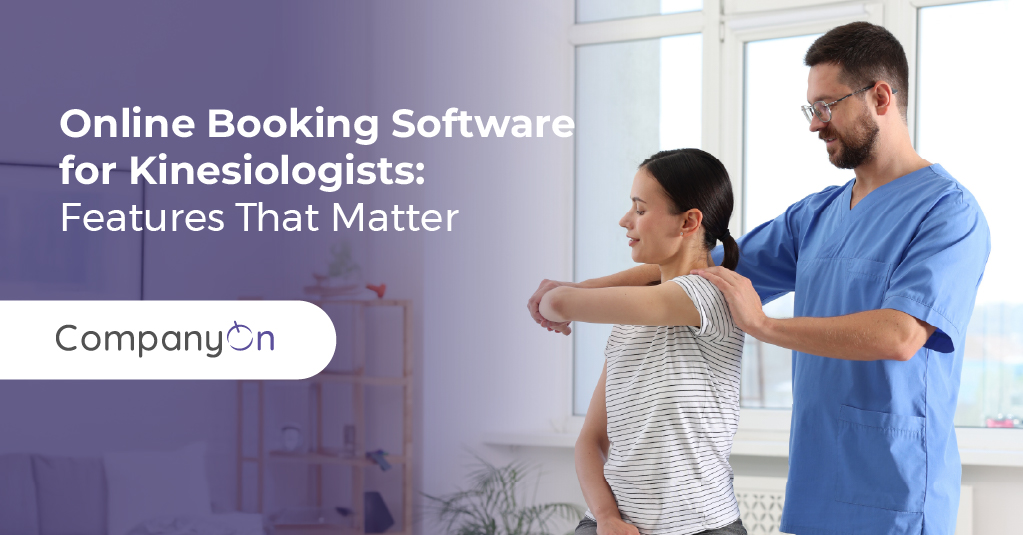
CompanyOn: Revolutionizing Healthcare Provider-Patient Communication in the Digital Age

In the digital era, the ability for healthcare providers and patients to communicate efficiently and securely has never been more critical. CompanyOn’s suite of online tools is at the forefront of digital healthcare communication enhancement, ensuring seamless, remote interactions when necessary.

Adapting to a Digital-First Healthcare Environment

The global shift towards remote working and digital communication, accelerated by challenges like COVID-19, has highlighted the essential need for adaptable healthcare communication solutions. CompanyOn’s innovative online forms and communication tools allow healthcare providers and patients to navigate this new normal with ease and confidence. As remote interactions become increasingly commonplace, leveraging digital tools for healthcare communication is not just an immediate solution but a long-term strategy for enhancing patient care and operational efficiency.

Empowering Communication with Online Forms

CompanyOn’s online forms epitomize the transformation in healthcare provider-patient communication. Whether it’s pre-screening for symptoms or collecting essential patient information, these forms enable secure and efficient digital interactions. The flexibility of CompanyOn’s platform, including the Dynamic Form option, allows for the creation and customization of forms to meet any practice’s specific needs. This innovation not only facilitates adherence to social distancing guidelines but also aligns with the protocols required by public health authorities and professional regulators, such as BCCNM’s guidelines on infection prevention and control practices.

A New Standard in Healthcare Communication

CompanyOn’s tools are designed to support solo practitioners and healthcare teams in meeting and exceeding regulatory body guidelines, ensuring the delivery of care is both safe and effective. By integrating CompanyOn’s digital solutions into their practices, healthcare providers can enhance patient engagement, streamline communication processes, and maintain compliance with health standards.

Discover the Benefits

To explore the full range of benefits that CompanyOn offers for revolutionizing healthcare communication, sign up for a free trial or book a demo today. Don’t just take our word for it; browse through our Community Successful Stories to see how our services have positively impacted healthcare practices.

Ready to make the switch?

Try Our Platform Free for 14 days.

See CompanyOn in Action

Schedule A Free 1:1 Personalized Demo

Adapting Community Care Strategies in the Ever-changing healthcare landscape

In the ever changing healthcare landscape, such as the COVID-19 pandemic, adapting community care practices is crucial for ensuring sustainable and effective healthcare delivery. This article explores strategies for healthcare professionals to adapt and thrive, emphasizing the importance of leveraging available resources and technologies.

Navigating Change with Informed Strategies

In an ever-evolving healthcare landscape, staying informed is pivotal. Healthcare professionals should:

  1. Seek Reputable Sources: Continuously consult Health Canada’s COVID-19 guidelines and other authoritative health organizations for the latest recommendations.
  2. Embrace Continuous Learning: Engage in ongoing education on adapting healthcare practices. Our insights on building therapeutic relationships with clients offer valuable strategies for enhancing patient care during transitions.
  3. Stay Connected: Join professional forums and discussions to share experiences and strategies for navigating change.

Informed strategies not only prepare us for the immediate challenges but also lay a robust foundation for future uncertainties, ensuring that the community care ecosystem remains resilient and responsive.

Implementing Adaptive Care Models

Adaptive care models are at the heart of responsive healthcare delivery. They involve:

  • Integrating Telehealth: Expanding access to care through virtual consultations, as outlined in our guide to going paperless, demonstrates how technology can bridge the gap between healthcare providers and patients.
  • Personalizing Patient Care: Tailoring care plans to meet individual patient needs ensures that healthcare delivery is both effective and empathetic.
  • Emphasizing Flexibility: Being prepared to modify operations quickly in response to new guidelines or patient needs is crucial for continuity of care.

Adopting such models not only ensures the safety and well-being of patients but also enhances the healthcare provider’s ability to navigate through changes with confidence and efficiency.

Leveraging Regulatory and Technological Resources

Staying abreast of regulatory changes and technological advancements is crucial for modern healthcare practices. To leverage these resources effectively:

  • Follow Regulatory Updates: Regular consultation with professional bodies and regulatory authorities ensures your practice remains compliant and informed.
  • Adopt New Technologies: Exploring innovative solutions like CompanyOn’s electronic clinical management platform can significantly enhance practice efficiency and patient satisfaction.
  • Invest in Training: Ensuring that your team is well-versed in the latest technologies and regulations will streamline the adoption process and optimize care delivery.

Leveraging these resources fosters a culture of excellence and innovation within healthcare practices, setting a new standard for patient care.

Prioritizing Safety and Communication

In the context of community care, prioritizing safety and effective communication is non-negotiable. Key strategies include:

  • Implementing Comprehensive Safety Protocols: Clear guidelines for staff and patients, regular training sessions on safety practices, and consistent use of PPE are foundational.
  • Transparent Communication: Keeping patients informed about safety measures, treatment plans, and any changes in service delivery builds trust. Our resources on provider-patient communications offer strategies for enhancing transparency and engagement.
  • Feedback Loops: Encouraging and acting on feedback from patients and staff regarding safety measures and communication effectiveness ensures continuous improvement.

By prioritizing these areas, healthcare providers can foster a safe and trusting environment that supports the well-being of both patients and healthcare professionals.

Conclusion

Adapting to evolving health scenarios demands a forward-thinking approach, one that CompanyOn is uniquely positioned to support. With our comprehensive suite of tools and resources, healthcare providers can seamlessly navigate through changes, implement adaptive care models, and ensure safety and compliance with the latest regulations.

The benefits of partnering with CompanyOn include:

  • Access to cutting-edge technology solutions tailored for healthcare practices.
  • Comprehensive support for regulatory compliance and practice management.
  • Enhanced patient engagement and satisfaction through efficient, flexible care delivery models.

Let CompanyOn empower your practice to excel in these changing times, ensuring that you remain at the forefront of quality patient care. Discover how our solutions can transform your practice today and prepare you for the healthcare challenges of tomorrow.

CompanyOn encourages our community of practitioners to take the time required to review all guidelines and resources provided by their regulatory body, the Ministry of Health and public health authorities and implement the necessary policies and protocols to your community practice to ensure safe practice. We are proud to offer tools that are beneficial to your practice in times like these.

Ready to make the switch?

Try Our Platform Free for 14 days.

See CompanyOn in Action

Schedule A Free 1:1 Personalized Demo
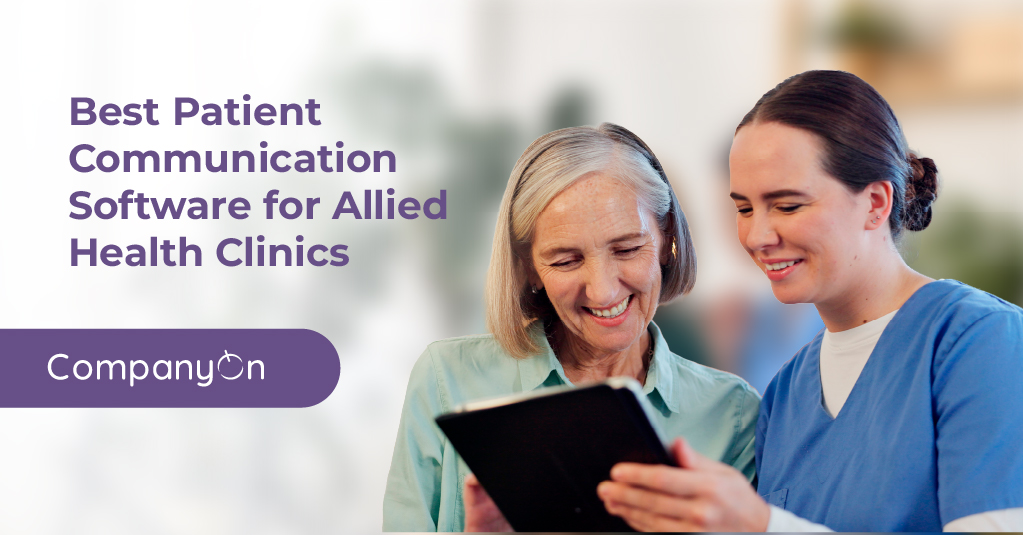
Building Community Trust: Outreach Strategies for Healthcare Providers

In the intricate ecosystem of healthcare, trust between providers and the community forms the foundation of effective care delivery. In an era dominated by information overload and skepticism, establishing and nurturing this trust has become paramount for healthcare professionals. This goes beyond mere patient satisfaction; it’s about creating a bond that fosters open communication, mutual respect, and a shared commitment to health and wellness. Today, as healthcare navigates through digital transformations and societal shifts, innovative outreach strategies have become crucial in strengthening this bond. This article delves into the myriad ways healthcare providers can employ technology, empathy, and education to build lasting trust within their communities.

Creating Connections Through Health Education Initiatives

Empowerment through education stands as a cornerstone of trust-building. By initiating:

  • Public Health Workshops that address prevalent health concerns.
  • Health Awareness Campaigns tailored to community needs.
  • Interactive Online Health Resources, making reliable information accessible.


Embracing Cultural Competence in Patient Care

Acknowledging and valuing the cultural diversity within communities is vital. Healthcare providers can enhance trust by:

  • Offering Culturally Competent Care that respects diverse health beliefs and practices.
  • Engaging in Community-Based Health Interventions that are inclusive and representative.
  • Collaborative Health Partnerships with local cultural organizations to broaden outreach.


Digital Platforms: Bridging the Gap


Leveraging Telehealth for Personalized Care

The digital age offers unparalleled opportunities for personal connection. Through:

  • Telepsychiatry Apps and Virtual Consultation Tools, healthcare becomes more accessible.
  • Utilizing Digital Mental Health Tools to support emotional and psychological well-being.
  • Secure Teletherapy Platforms ensure privacy, fostering a safe space for health discussions.

Fostering Online Communities for Support

Online platforms can serve as a powerful tool for community building. By:

  • Creating Online Support Groups, providing a platform for shared experiences and support.
  • Offering Web-Based Psychological Support to those who might not seek help in traditional settings.
  • Implementing Patient Self-Service Portals for easier access to personal health information.

Transparency and Communication: The Pillars of Trust

Building a Reputation for Reliable Information

In an age where misinformation can spread rapidly, being a source of accurate, trustworthy health information is critical. Providers can:

  • Regularly update the community through Transparent Healthcare Communication.
  • Digital Counseling Solutions to offer advice and support with credibility.
  • Engage in Medical Outreach Programs that bring information directly to the people, breaking down barriers of mistrust.

Empathetic Patient Interactions: A Trust-Building Framework

At the heart of all outreach efforts lies the quality of one-on-one interactions. Providers enhance trust by:

  • Ensuring Empathetic Patient Interactions across all touchpoints.
  • Patient-Centered Care Approach that listens and responds to individual health concerns.
  • Accessible Health Resources that are patient-friendly and demystify complex medical information.

Conclusion: A United Front for Community Health

Building community trust isn’t a one-off campaign; it’s a continuous effort that evolves with the community’s needs. Through innovative outreach strategies, embracing technology, and prioritizing empathy and transparency, healthcare providers can forge stronger, more meaningful connections with their communities. As we look ahead, these connections will not only improve individual health outcomes but also foster a collective resilience and a shared commitment to a healthier future for all.