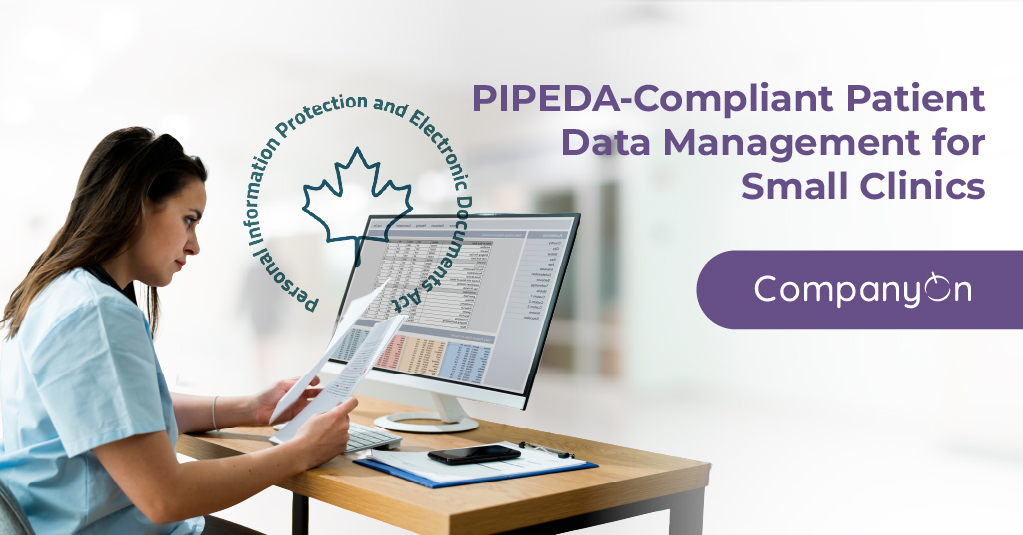
Leveraging Technology for Enhanced Patient Care: The Role of Electronic Health Records

Imagine stepping into a time machine and being transported back to an era when patient records were mountains of dusty paper files. Fast forward to today, and the healthcare landscape has been completely transformed by the digital wave, with Electronic Health Records (EHR) leading the charge. Here’s an exploration of how EHRs are revolutionizing modern medical practice, becoming the lifeblood of efficient patient care.

Imagine stepping into a time machine and being transported back to an era when patient records were mountains of dusty paper files. Fast forward to today, and the healthcare landscape has been completely transformed by the digital wave, with Electronic Health Records (EHR) leading the charge. Here's an exploration of how EHRs are revolutionizing modern medical practice, becoming the lifeblood of efficient patient care. The Digital Transformation of Patient Care: The Impact of Electronic Health Records Precision and Accessibility In the era of digital healthcare, EHRs have emerged as a beacon of accuracy and accessibility. By digitizing patient records, healthcare providers can instantly access a patient’s medical history, current conditions, and treatment plans. This immediacy not only reduces errors but also ensures that critical health information is available at the click of a button, significantly enhancing the quality of care. Benefits Beyond Measure The advantages of EHRs extend far beyond simplified record-keeping. They enhance patient outcomes by enabling better decision-making, based on comprehensive and easily accessible data. Additionally, EHRs improve data security and privacy, protecting sensitive patient information while also supporting preventive care. By tracking and analyzing health trends over time, healthcare providers can offer proactive care, improving long-term patient health. Revolutionizing Medical Billing: The Role of EHRs Simplified Financial Management EHR systems have integrated seamlessly with medical billing processes, transforming financial operations in healthcare. Automation has streamlined insurance claims and patient billing, minimizing time spent on paperwork and maximizing time for patient care. With this enhanced efficiency, clinics can better manage their finances, ensuring consistent cash flow. Reducing the Administrative Load By digitizing the billing process, EHRs reduce the administrative burden on healthcare providers. Automation tools eliminate manual errors and speed up billing cycles, leading to quicker reimbursements and fewer billing issues. The reduction of paperwork also allows healthcare staff to focus more on direct patient care, improving overall clinic efficiency. Tech-Enhanced Patient Engagement: A New Era of Care Empowering Patient Participation EHRs have transformed patient care by encouraging greater patient engagement. Patients now have access to their health records, can easily schedule appointments, and communicate with healthcare providers through patient portals. This empowerment not only fosters more informed and active participation in their own care but also improves overall patient outcomes. Boosting Patient Satisfaction Studies have shown that patient satisfaction is significantly enhanced when patients are engaged and educated about their health. EHRs provide the tools needed to foster this engagement, resulting in a more positive healthcare experience. Patients appreciate having control over their health data, leading to increased trust and loyalty towards healthcare providers. The Rise of Cloud-Based EHR Systems: A New Horizon in Healthcare The Benefits of Cloud Computing in Healthcare Cloud-based EHR systems offer numerous advantages, including scalability, cost-effectiveness, and enhanced data security. They allow healthcare practices to expand without the limitations of traditional IT infrastructure, offering the flexibility to grow and adapt as needed. Cloud systems also make collaboration between healthcare providers easier, improving continuity of care for patients. Success Stories from the Cloud Many healthcare practices that have transitioned to cloud-based EHRs report significant improvements in operations. These systems enable streamlined processes, reduced operational costs, and enhanced patient care delivery. The success of these implementations highlights the importance of adopting modern technology to future-proof healthcare practices. Optimizing Practice with Management Software: The Way Forward Integrated Solutions for Practice Excellence The integration of EHR systems with practice management software creates a cohesive and streamlined workflow that spans from patient scheduling to billing and compliance. This integration ensures that healthcare providers can manage all aspects of their practice efficiently, leading to improved productivity and patient care. Building Sustainable Healthcare Practices Adopting integrated systems is essential for the sustainability and growth of healthcare practices. These technologies ensure that clinics remain adaptable to evolving healthcare needs and regulatory requirements, positioning them for long-term success. Conclusion: EHRs as the Catalyst for Enhanced Healthcare The integration of EHRs and other digital technologies has had a transformative impact on both patient care and practice efficiency. EHRs have become indispensable tools in the modern healthcare setting, providing the foundation for improved clinical decision-making, enhanced patient engagement, and streamlined administrative tasks. At CompanyOn, we are committed to supporting healthcare providers through this digital transformation. Our innovative solutions are designed to meet the needs of modern healthcare practices, offering secure, user-friendly platforms that elevate both patient care and clinic efficiency.

The Digital Transformation of Patient Care: The Impact of Electronic Health Records
Precision and Accessibility

In the era of digital healthcare, EHRs have emerged as a beacon of accuracy and accessibility. By digitizing patient records, healthcare providers can instantly access a patient’s medical history, current conditions, and treatment plans. This immediacy not only reduces errors but also ensures that critical health information is available at the click of a button, significantly enhancing the quality of care.

Benefits Beyond Measure

The advantages of EHRs extend far beyond simplified record-keeping. They enhance patient outcomes by enabling better decision-making, based on comprehensive and easily accessible data. Additionally, EHRs improve data security and privacy, protecting sensitive patient information while also supporting preventive care. By tracking and analyzing health trends over time, healthcare providers can offer proactive care, improving long-term patient health.

Revolutionizing Medical Billing: The Role of EHRs

Simplified Financial Management

EHR systems have integrated seamlessly with medical billing processes, transforming financial operations in healthcare. Automation has streamlined insurance claims and patient billing, minimizing time spent on paperwork and maximizing time for patient care. With this enhanced efficiency, clinics can better manage their finances, ensuring consistent cash flow.

Reducing the Administrative Load

By digitizing the billing process, EHRs reduce the administrative burden on healthcare providers. Automation tools eliminate manual errors and speed up billing cycles, leading to quicker reimbursements and fewer billing issues. The reduction of paperwork also allows healthcare staff to focus more on direct patient care, improving overall clinic efficiency.

Tech-Enhanced Patient Engagement: A New Era of Care

Empowering Patient Participation

EHRs have transformed patient care by encouraging greater patient engagement. Patients now have access to their health records, can easily schedule appointments, and communicate with healthcare providers through patient portals. This empowerment not only fosters more informed and active participation in their own care but also improves overall patient outcomes.

Boosting Patient Satisfaction

Studies have shown that patient satisfaction is significantly enhanced when patients are engaged and educated about their health. EHRs provide the tools needed to foster this engagement, resulting in a more positive healthcare experience. Patients appreciate having control over their health data, leading to increased trust and loyalty towards healthcare providers.

The Rise of Cloud-Based EHR Systems: A New Horizon in Healthcare

The Benefits of Cloud Computing in Healthcare

Cloud-based EHR systems offer numerous advantages, including scalability, cost-effectiveness, and enhanced data security. They allow healthcare practices to expand without the limitations of traditional IT infrastructure, offering the flexibility to grow and adapt as needed. Cloud systems also make collaboration between healthcare providers easier, improving continuity of care for patients.

Success Stories from the Cloud

Many healthcare practices that have transitioned to cloud-based EHRs report significant improvements in operations. These systems enable streamlined processes, reduced operational costs, and enhanced patient care delivery. The success of these implementations highlights the importance of adopting modern technology to future-proof healthcare practices.

Optimizing Practice with Management Software: The Way Forward

Integrated Solutions for Practice Excellence

The integration of EHR systems with practice management software creates a cohesive and streamlined workflow that spans from patient scheduling to billing and compliance. This integration ensures that healthcare providers can manage all aspects of their practice efficiently, leading to improved productivity and patient care.

Building Sustainable Healthcare Practices

Adopting integrated systems is essential for the sustainability and growth of healthcare practices. These technologies ensure that clinics remain adaptable to evolving healthcare needs and regulatory requirements, positioning them for long-term success.

Conclusion: EHRs as the Catalyst for Enhanced Healthcare

The integration of EHRs and other digital technologies has had a transformative impact on both patient care and practice efficiency. EHRs have become indispensable tools in the modern healthcare setting, providing the foundation for improved clinical decision-making, enhanced patient engagement, and streamlined administrative tasks.

At CompanyOn, we are committed to supporting healthcare providers through this digital transformation. Our innovative solutions are designed to meet the needs of modern healthcare practices, offering secure, user-friendly platforms that elevate both patient care and clinic efficiency.

Ready to make the switch?

Try Our Platform Free for 14 days.

See CompanyOn in Action

Schedule A Free 1:1 Personalized Demo

Effective Techniques to Reduce Appointment Cancellations in Your Clinic

In the fast-paced world of healthcare, minimizing appointment cancellations is critical for the success of any clinic. Cancellations not only disrupt your schedule but also negatively impact revenue and patient outcomes. However, with the right strategies and tools, you can significantly reduce appointment cancellations in healthcare and improve both patient and practice satisfaction. Below are some proven techniques to help you manage and decrease no-shows and last-minute cancellations effectively.

1. Implement Automated Appointment Reminders

One of the most effective ways to reduce appointment cancellations is through automated scheduling systems. These systems send reminders via email or SMS, which can drastically reduce the number of missed appointments. Automated reminders are easy to set up and allow patients to confirm or reschedule with just a click, offering convenience and flexibility.

By using CompanyOn’s appointment reminder feature, you can keep patients informed about their upcoming appointments, and if necessary, allow them to reschedule in advance, thus reducing no-show rates significantly.

2. Create a Cancellation Policy

A clear and consistent cancellation policy can deter patients from canceling at the last minute. Make sure the policy is communicated clearly during the booking process, whether it’s through your website or your online booking system. Consider including this information in your e-consent forms or sending it as part of your patient intake process to ensure that patients understand the consequences of late cancellations.

3. Use a Waitlist to Fill Canceled Slots

If a patient cancels their appointment at the last minute, having a waitlist feature ready to fill the gap is a great way to maintain efficiency. By offering patients the option to be on a waitlist, you can quickly fill empty slots with those who are eager for an earlier appointment. This not only reduces the impact of cancellations but also increases your clinic’s revenue by avoiding wasted appointment slots.

4. Offer Telemedicine as a Flexible Option

Offering telemedicine can help patients keep their appointments, even if they face logistical challenges that would otherwise cause them to cancel. With the rise of telehealth, it’s easier than ever to provide care remotely. This flexibility allows patients who may be unable to physically attend the clinic to still receive care, thereby minimizing cancellations.

For practices that have adopted telemedicine, studies show a notable decrease in missed appointments, as patients can attend consultations from the comfort of their homes. Learn more about how telehealth services can help reduce no-shows and cancellations in your clinic.

5. Enable Easy Rescheduling via Patient Portals

Empowering patients with self-service options such as a patient portal not only enhances their experience but also helps reduce cancellations. Patient portals allow patients to reschedule or cancel appointments on their own, offering more flexibility and reducing the likelihood of last-minute cancellations. Furthermore, by providing online forms for rescheduling, you ensure the process is streamlined and efficient.

6. Analyze Patterns and Adjust Scheduling

Tracking and analyzing cancellation patterns can provide insights into how to optimize your scheduling process. If you notice that certain times of the day or week experience higher cancellation rates, adjust your appointment availability accordingly. You can use insights from your electronic health record system to see when patients are most likely to cancel and adapt your scheduling practices to better suit their needs.

7. Offer Incentives for Attendance

A strategy often overlooked is rewarding patients for keeping their appointments. Consider implementing loyalty programs or small incentives, such as a discount on services for patients who attend appointments regularly. This can help improve patient retention and encourage timely attendance, especially for those who are prone to rescheduling or canceling.

  • Conclusion

Reducing appointment cancellations in healthcare is a multifaceted challenge, but with the right combination of technology, policies, and patient engagement, it is entirely possible to minimize the disruption cancellations cause. By integrating solutions like automated reminders, patient portals, and telemedicine options, your clinic can significantly reduce no-shows and cancellations, leading to improved operational efficiency and better patient outcomes.

Ready to make the switch?

Try Our Platform Free for 14 days.

See CompanyOn in Action

Schedule A Free 1:1 Personalized Demo

Expanding Healthcare Reach through Telehealth Services

The rise of telehealth services has ushered in a new era of healthcare, where distance and access are no longer barriers to receiving quality care. As technology evolves, telehealth has become a vital component of healthcare delivery, providing a range of benefits for both patients and providers. In this article, we explore how telehealth is expanding the reach of healthcare and transforming the medical landscape.

Telehealth Services

The Rise of Telehealth Services

Telehealth encompasses various technologies that enable virtual medical care, from digital health consultations to remote patient monitoring. This broad category includes platforms that connect patients and healthcare providers remotely, ensuring that care can be delivered effectively even when in-person visits are not feasible.

To learn more about optimizing your practice management software to integrate telehealth, read our article on leveraging technology in practice management.

Key Advantages of Telehealth

  1. Accessibility: Telehealth expands healthcare access to individuals in remote or underserved areas, eliminating the geographical barriers to medical care. Clinics that offer online booking systems and telehealth consultations allow patients to receive care without traveling, making healthcare more inclusive.

  2. Convenience: Virtual healthcare solutions save time for both patients and providers. With telehealth, patients can avoid long wait times and receive care from the comfort of their own homes, while providers can streamline their appointment schedules. Learn more about enhancing your clinic’s efficiency with automated scheduling systems.

  3. Efficiency: By utilizing telehealth platforms, healthcare providers can see more patients in less time, enhancing clinic efficiency. For insights into improving your clinic’s overall productivity, check out our article on how to build a more productive practice.

Integrating Telehealth into Healthcare Delivery

The integration of telehealth into primary care and specialized services has transformed patient care. From chronic disease management to mental health services, telehealth has proven to be versatile and effective across various fields.

  • Chronic Disease Management: Telehealth enables regular monitoring of chronic conditions, leading to better health outcomes. Providers can use remote patient monitoring tools to track patient data and intervene early if needed.

  • Mental Health Services: Telehealth offers a convenient and confidential platform for mental health consultations, breaking down the stigma associated with seeking help. Patients can access care quickly without the barriers of in-person visits, which is particularly beneficial for those in rural areas.

Discover how telehealth can streamline these processes in our guide to streamlining healthcare delivery.

Overcoming Challenges in Telehealth

Despite its many benefits, the widespread adoption of telehealth is not without challenges. Regulatory issues, ensuring compliance with telehealth regulations, and maintaining secure communication between providers and patients are crucial. Additionally, ensuring all patients have access to the necessary technology and understanding the platform are key areas that require attention.

To address some of these issues, explore our insights on navigating healthcare compliance.

Future Trends in Telehealth Technology

The future of telehealth is full of promise, with emerging trends in artificial intelligence (AI) and mobile health applications making personalized care more accessible. As telehealth continues to grow, the healthcare industry will need to scale its operations to meet rising demand, ensuring patients receive the same level of care remotely as they would in-person.

Explore more about the impact of technology on healthcare practices in our article on tech solutions for solo practices.

Conclusion

Telehealth services are not just a temporary solution to the challenges of today’s healthcare system—they represent a permanent shift toward a more inclusive, efficient, and patient-centered healthcare model. As telehealth continues to evolve, independent clinics and healthcare providers must embrace these changes to offer high-quality care to patients, regardless of their location.

By integrating telehealth into your practice, you not only expand your reach but also position your clinic at the forefront of modern healthcare delivery. Discover more ways to optimize your clinic’s operations in our piece on maximizing efficiency through practice optimization.

Ready to make the switch?

Try Our Platform Free for 14 days.

See CompanyOn in Action

Schedule A Free 1:1 Personalized Demo

Maximizing Patient Retention: Proven Strategies for Independent Clinics

In today’s competitive healthcare environment, independent clinics need to focus not only on attracting new patients but also on retaining existing ones. Patient retention strategies are critical for building long-term relationships, ensuring patient satisfaction, and maintaining the financial stability of your practice. Here are proven strategies that independent clinics can implement to maximize patient retention.

Patient retention strategies

1. Streamline the Patient Journey

An excellent patient experience starts with making the scheduling process as smooth as possible. Implementing an online booking system can drastically reduce friction when it comes to appointments. By allowing patients to book and manage appointments online, you minimize no-shows and make the process convenient for both your clinic and your patients. For clinics looking to enhance efficiency, features like appointment reminders can further improve retention by reducing missed visits.

Learn more about simplifying scheduling in our guide to the best app for scheduling.

2. Personalize Patient Care with Technology

Personalized care is key to patient loyalty. One way to achieve this is by using Electronic Health Records (EHR) to track patient history, allowing you to deliver tailored treatments that meet individual needs. A well-organized patient management system enables practitioners to access patient data quickly, ensuring seamless follow-ups and personalized interactions.

By leveraging patient portals, your clinic can offer patients access to their health records, making it easier for them to engage with their care and stay connected to your practice. This added level of transparency can greatly enhance the patient experience and strengthen loyalty.

Check out how CompanyOn integrates EHR to streamline documentation and improve outcomes in your practice: Optimize EHR Documentation for Better Patient Outcomes.

3. Collect and Act on Patient Feedback

Understanding what your patients think about your services is crucial for improving and refining your practice. Using digital forms for patient feedback not only makes the process easier but also provides actionable insights that can enhance patient care. A paperless system simplifies gathering and managing this information, helping you respond effectively to patient concerns.

You can learn more about going digital with online forms in our practical guide: How to Eliminate Paper for Essential Processes.

4. Foster Effective Communication

Clear and consistent communication builds trust and improves retention. Through automated reminders, e-consent forms, and patient portals, you can keep your patients informed and engaged with their health management. Consistent communication reduces confusion and strengthens the relationship between the patient and the clinic.

Dive deeper into enhancing patient communication with our article on appointment reminders: Appointment Reminders to Decrease No-Shows.

5. Engage Patients Beyond the Clinic

Patient retention doesn’t end when the patient leaves your office. Stay connected through online engagement by providing health tips, newsletters, or even telemedicine services. Hosting patient education workshops or webinars allows you to offer value beyond clinical care, positioning your clinic as a trusted health partner.

Find out how leveraging technology can help you build stronger relationships with patients in our piece: Better Engage Your Clients with Technology.

6. Build a Strong Online Presence

Your clinic’s online presence is vital for patient retention. By optimizing your website and ensuring it is easy to navigate, you offer patients a simple way to find important information about your services. Invest in SEO strategies that help new and existing patients find your clinic easily when searching online. Regularly updating your website with informative blog posts and patient testimonials also reinforces your credibility.

Check out SEO strategies for healthcare practices in our article on improving visibility: SEO Strategies for Medical Practices.

Conclusion

Implementing these patient retention strategies can significantly improve the loyalty of your patient base, reduce no-shows, and enhance overall satisfaction. By streamlining processes, enhancing communication, and leveraging technology, independent clinics can foster long-term relationships that lead to sustained growth and success.

If you’re looking to further optimize your clinic’s operations, consider how CompanyOn can help with its patient management software and other innovative solutions designed to make clinic management easier and more efficient.

Ready to make the switch?

Try Our Platform Free for 14 days.

See CompanyOn in Action

Schedule A Free 1:1 Personalized Demo

Billing Made Easy: Innovative Solutions for Healthcare Practices

In today’s evolving healthcare landscape, efficiency and quality of service are essential. A key area where this efficiency is often lacking is in billing and financial management, where complexities can slow down processes and hinder overall operations. CompanyOn offers “Billing Made Easy,” a comprehensive solution that revolutionizes financial management for healthcare practices, ensuring streamlined operations and improved patient satisfaction.

The Challenges of Medical Billing

Medical billing presents significant challenges for healthcare providers, particularly independent medical practices and smaller clinics. Managing multiple insurance providers, coding issues, delays in payment, and ensuring billing accuracy create an administrative burden that can slow down daily operations. Some common challenges include:

  • Delays in Payment Processing: Lengthy billing cycles can hurt cash flow, making it harder to maintain financial stability.
  • Administrative Overload: Managing billing manually increases errors and consumes time that could be better spent on patient care.
  • Patient Satisfaction: Errors in billing or unclear statements can frustrate patients, impacting their trust and overall experience.
  • Compliance Issues: Healthcare regulations like HIPAA in the U.S. require secure and compliant billing processes, with severe penalties for non-compliance.

To overcome these challenges, healthcare providers need an efficient, integrated solution that minimizes errors and simplifies workflows.

CompanyOn’s Solution: Billing Made Easy

CompanyOn provides a comprehensive platform designed to streamline every aspect of the medical billing process. The solution offers key features that make billing easier, reduce administrative work, and improve cash flow for independent medical practices.

1. Automation of Billing and Claims Processing

Manual billing processes are time-consuming and prone to errors. CompanyOn automates the process, reducing the amount of manual work required and minimizing the risk of errors:

  • Error Reduction: Automation reduces human error, ensuring all billing codes are accurate. Even small coding errors can result in rejected claims or delayed payments. To learn more about reducing billing mistakes, check out 5 Proven Billing Tactics to Get Paid Faster.
  • Faster Claims Processing: By automating claims, billing is processed in real-time, reducing delays in payment. This helps improve the practice’s cash flow.
  • Administrative Relief: By automating routine billing tasks, practices free up staff time, allowing them to focus on patient care.

2. Integration with Electronic Health Records (EHR)

A key feature of CompanyOn is its seamless integration with Electronic Health Records (EHR). This integration ensures that all billing information is accurate and up-to-date, reflecting the services provided to patients.

  • Streamlined Data Flow: With EHR integration, every treatment or procedure documented in the patient’s medical records is automatically included in the billing process, reducing discrepancies. Learn more about EHR integration in Improving Outcomes with EHR.
  • Accurate Billing: By pulling billing data directly from the EHR, there’s less room for errors, ensuring patients are billed accurately for the services they received.
  • Compliance and Security: Integrating with EHR ensures that sensitive patient data remains secure and compliant with healthcare regulations like HIPAA.

3. User-Friendly Interface for Financial Management

CompanyOn offers an intuitive platform that simplifies financial management for healthcare providers. Whether you’re an expert in finance or not, the system’s user-friendly interface makes billing straightforward:

  • Ease of Use: The simple, intuitive design allows staff to manage billing with minimal training. The dashboard provides a clear view of outstanding payments, claims in progress, and patient balances.
  • Comprehensive Reporting: CompanyOn includes financial reporting tools that offer insights into the practice’s financial health. For financial planning tips, visit Financial Planning for Healthcare Providers.
  • Flexible Payment Options: Practices can offer flexible payment plans, such as installments or credit card payments, making it easier for patients to settle their bills.

4. Secure and Fast Payment Processing

CompanyOn ensures that payments are processed securely and quickly. Its payment processing technology adheres to industry standards, providing peace of mind for both patients and practices.

  • Data Security: The platform uses encryption and secure gateways to protect sensitive financial information, safeguarding against breaches and fraud. Learn more about securing patient data in Security and Health Privacy.
  • Faster Payments: With real-time payment processing, practices receive payments quickly, improving cash flow and reducing delays.

5. Automated Billing Systems

Another essential feature of CompanyOn is its automated billing system, which reduces the workload involved in managing billing.

  • Automated Notifications: Practices can set up automated reminders for patients with pending payments, keeping patients informed and reducing overdue bills.
  • Receivables Management: Automated billing helps practices manage their receivables more effectively, reducing the time spent following up on unpaid bills.

The Benefits of CompanyOn’s Billing Solutions

The features of CompanyOn‘s billing platform bring numerous benefits to healthcare providers:

  • Time Savings: Automation and EHR integration save time by reducing manual work, allowing staff to focus more on patient care.
  • Improved Accuracy: By integrating billing with patient records, the system ensures accurate billing information, reducing disputes and errors.
  • Enhanced Cash Flow: Faster payment processing and automated reminders help practices maintain healthy cash flow.
  • Patient Satisfaction: Offering flexible payment options and accurate billing improves patient experience and satisfaction, fostering loyalty.
  • Financial Insights: The platform provides valuable financial insights, allowing practices to make informed decisions. For more on managing practice finances, explore Best Practices for Quality Control.

Conclusion: Transforming Healthcare Financial Management

CompanyOn’s “Billing Made Easy” platform is not just a solution for managing medical billing—it’s a transformative tool that enhances operational efficiency, reduces errors, and ensures smooth financial management. Practices that adopt CompanyOn can expect better cash flow, higher patient satisfaction, and a streamlined workflow that allows them to focus on delivering high-quality patient care. Ready to improve your practice’s billing process? Visit Billing Made Easy to learn more.

Ready to make the switch?

Try Our Platform Free for 14 days.

See CompanyOn in Action

Schedule A Free 1:1 Personalized Demo