
Winter changes the math of every home visit. A route that takes 25 minutes in October can take 50 in a snowstorm, driveways turn into ice rinks, and by 4:30 p.m. it is already dark. For mobile clinicians and home care caregivers in Canada and the northern US, winter is not an exception to plan around once. It is a season that needs its own playbook.
This guide covers how to adjust schedules, what to carry, how to stay safe on the road and at the door, and what to do when the weather forces a cancellation.
Adjust your schedule for winter conditions
The biggest winter mistake is keeping the summer schedule. Tight back-to-back visits leave no room for slower roads, cleaning off the car or a client who needs a few extra minutes. A few changes make the whole day calmer:
- Add winter travel buffers. Plan 10 to 15 extra minutes between visits on snowy days, and more for rural routes. If you already use travel buffers, see our guide on route planning and travel time buffers and simply scale them up for the season.
- Front-load the daylight. Book the farthest or most remote visits earlier in the day, and keep late-afternoon slots for clients close to home or on well-lit streets.
- Cluster by area. Grouping visits by neighbourhood cuts driving time, which matters even more when roads are bad. Route tools help here, as covered in route optimization for community care.
- Leave one flexible slot. An open slot mid-week gives you a place to move a visit that weather pushes back.
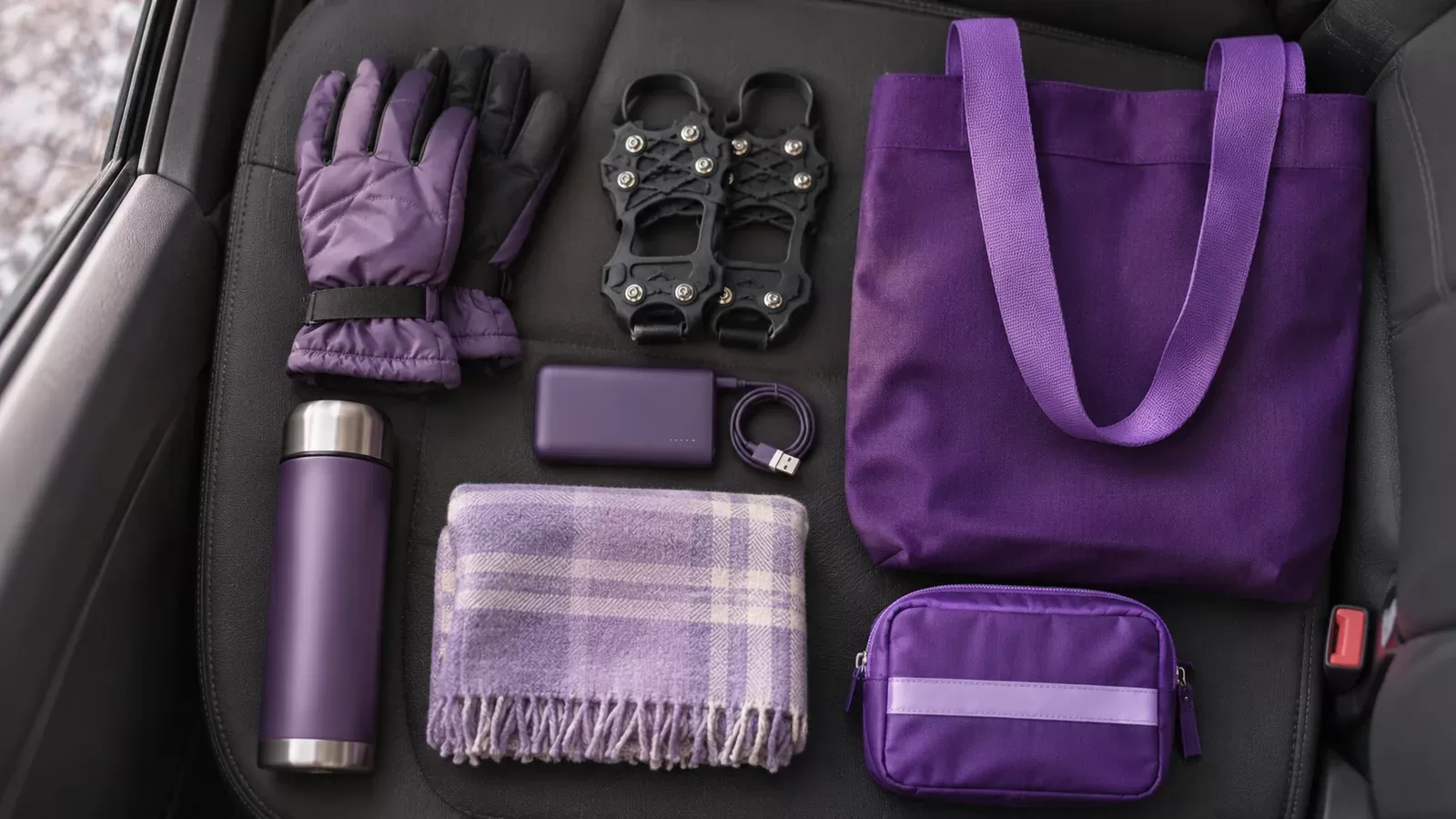
Your winter visit kit
Every clinician and caregiver who drives to visits should carry a basic winter kit. Keep it in the car from November to April:
| Item | Why it matters |
|---|---|
| Ice cleats or traction aids | Unshoveled driveways and steps are a leading cause of winter falls |
| Snow brush, scraper and small shovel | Clear the car fully and get unstuck from a snowbank |
| Phone power bank and car charger | Your phone is your schedule, your map and your safety line |
| Warm layers, gloves and a blanket | Delays and breakdowns happen in the cold |
| Water, snacks and a thermos | Long days with fewer stops between visits |
| Flashlight and headlamp | Dark entrances, unlit addresses and early sunsets |
| First-aid kit and booster cables | Basic roadside readiness |
| Spare shoe covers or indoor shoes | Keep clients' floors clean and dry |
Stay safe on the road and at the door
Winter safety covers more than driving. A few habits reduce the most common risks:
- Check conditions before you leave. Look at road reports and weather alerts at the start of the day and before long drives.
- Share your route. Someone at the office, or a trusted contact for solo clinicians, should know your visit order and expected times.
- Use check-in and check-out. Recording when you arrive and leave each visit lets the office see who is on the road and who is late. For agencies using EVV, this data already exists.
- Ask clients about access. Before winter starts, confirm who clears the driveway and steps, and whether there is a safer entrance.
- Know when to stop. No visit is worth an unsafe drive. Clinicians should feel empowered to delay or cancel when conditions are dangerous.

When weather cancels a visit
Storm days are where calm agencies and stressed agencies part ways. The difference is a plan made before the first snowfall, not during it. A simple weather protocol has three parts:
Before the storm
- Flag high-priority clients who cannot miss a visit, such as those needing medication support, wound care or help with meals.
- Confirm emergency contacts and a family member who can check in if a visit is delayed.
- Agree on who makes the call to cancel or delay, and by what time.
On the day
- Decide early, ideally by 7 a.m., and contact affected clients before visits are due.
- Reassign high-priority visits to the caregiver or clinician who lives closest.
- Replace non-urgent visits with a phone check-in where appropriate.
After the storm
- Rebook missed visits in the next available slots, starting with the highest priority.
- Document every cancellation, the reason and any follow-up call, so your records stay complete.
For agencies, weather call-outs work much like any other last-minute absence. Our guide to caregiver scheduling that survives last-minute call-outs shows how to build that backup coverage.
Communicate the plan to clients and families
Clients and families handle weather changes much better when they know the rules ahead of time. Send a short winter notice in November explaining how you decide when to delay or cancel, how you will contact them, and what they can do to keep entrances safe. It turns a frustrating surprise into an expected part of the season.
Reschedule a snow day in minutes, not hours. CompanyOn gives mobile clinicians and home care teams route planning, scheduling, automated client reminders and visit check-in in one app, so you can adjust the whole day from your phone.
Frequently asked questions
How much extra travel time should I add for winter home visits?
A good starting point is 10 to 15 extra minutes between visits on snowy days, and more on rural or hilly routes. Review your actual travel times after a few weeks and adjust.
What should a home care worker carry in winter?
Ice cleats, a snow brush and small shovel, a phone power bank, warm layers, water and snacks, a flashlight, a first-aid kit, booster cables and spare indoor shoes or shoe covers.
Should home care visits be cancelled during a snowstorm?
Not automatically. Prioritize clients who cannot miss care, reassign those visits to the closest available staff, and delay or replace non-urgent visits with a phone check-in. Never ask staff to drive in unsafe conditions.
How do I tell clients about winter visit delays?
Send a short winter notice before the season starts, explaining how you decide on delays, how you will reach them and how they can keep entrances safe. On the day, contact affected clients as early as possible.