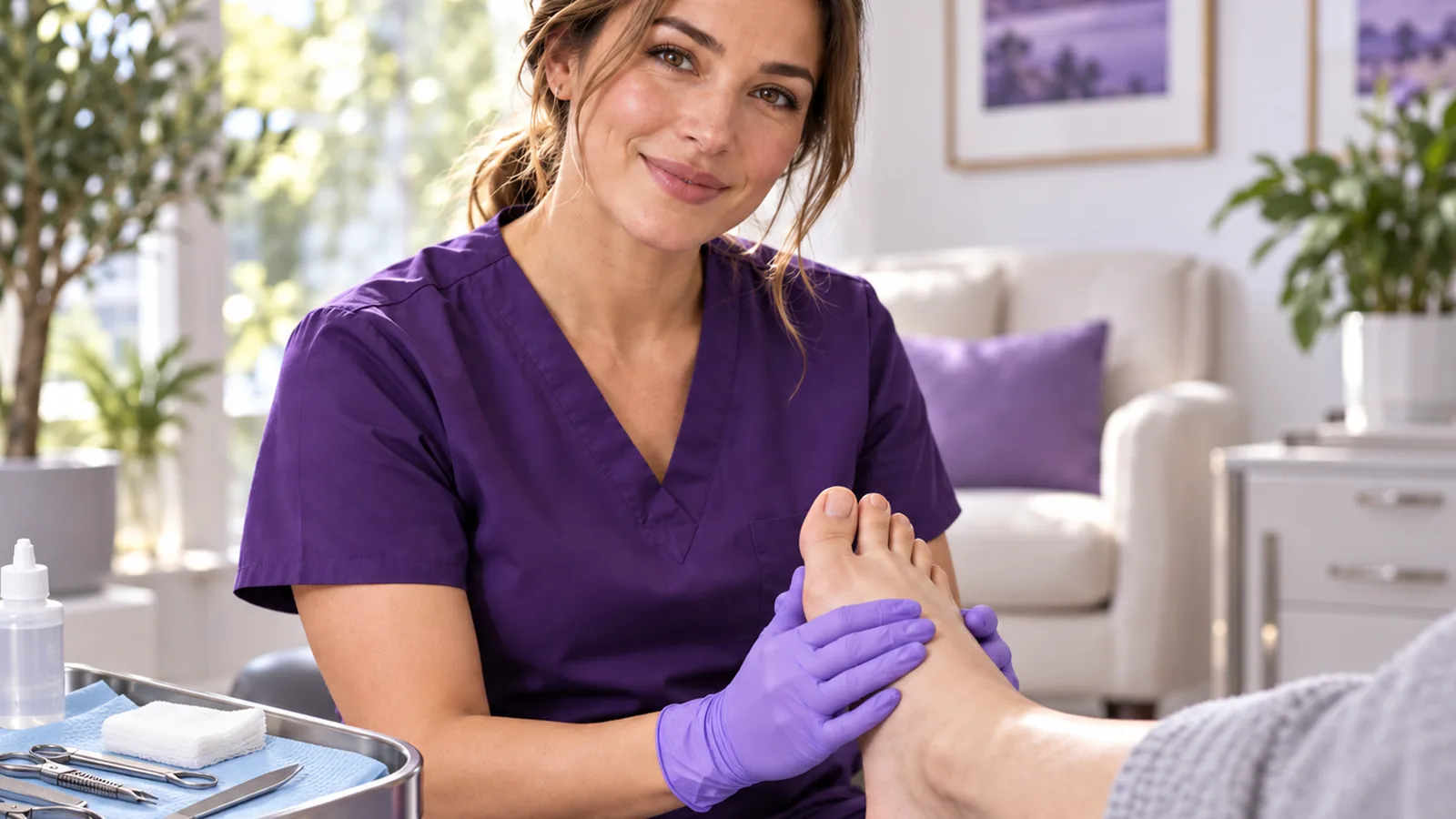
You finished your certification, your practice sessions went well and friends keep asking when they can book. Then the real questions arrive all at once. Do you need a licence? Which insurance covers you? Should you rent a room or travel to clients? And how do you find people who are not already your friends?
The short answer: starting a reflexology practice comes down to five steps in order. Get credible training and certification, confirm the rules where you live, insure yourself, set up a simple and professional business, then build a steady flow of clients through booking, reminders and referrals. Most reflexologists can open with a modest budget because the equipment is light; what makes or breaks the first year is the system around the sessions.
Step 1: Get training that clients and insurers recognize
Reflexology is unregulated in many places, which means anyone can call themselves a reflexologist. That is exactly why recognized training matters. It is what clients, referral partners and insurers look for when deciding whether to trust you.
In Canada, reflexology is not a regulated health profession under provincial law. Credibility comes from completing a program recognized by a professional association, such as the Reflexology Association of Canada (RAC) or the Reflexology Registration Council of Ontario (RRCO), and keeping your membership in good standing. Some extended health plans reimburse reflexology only when the practitioner belongs to an association the insurer accepts, so check this with the association before you enroll.
In the US, there is no single national licence. The American Reflexology Certification Board (ARCB) offers a widely recognized national certification that combines coursework, documented practice sessions and written and practical exams. CompanyOn partners with the ARCB to support reflexologists building independent practices.
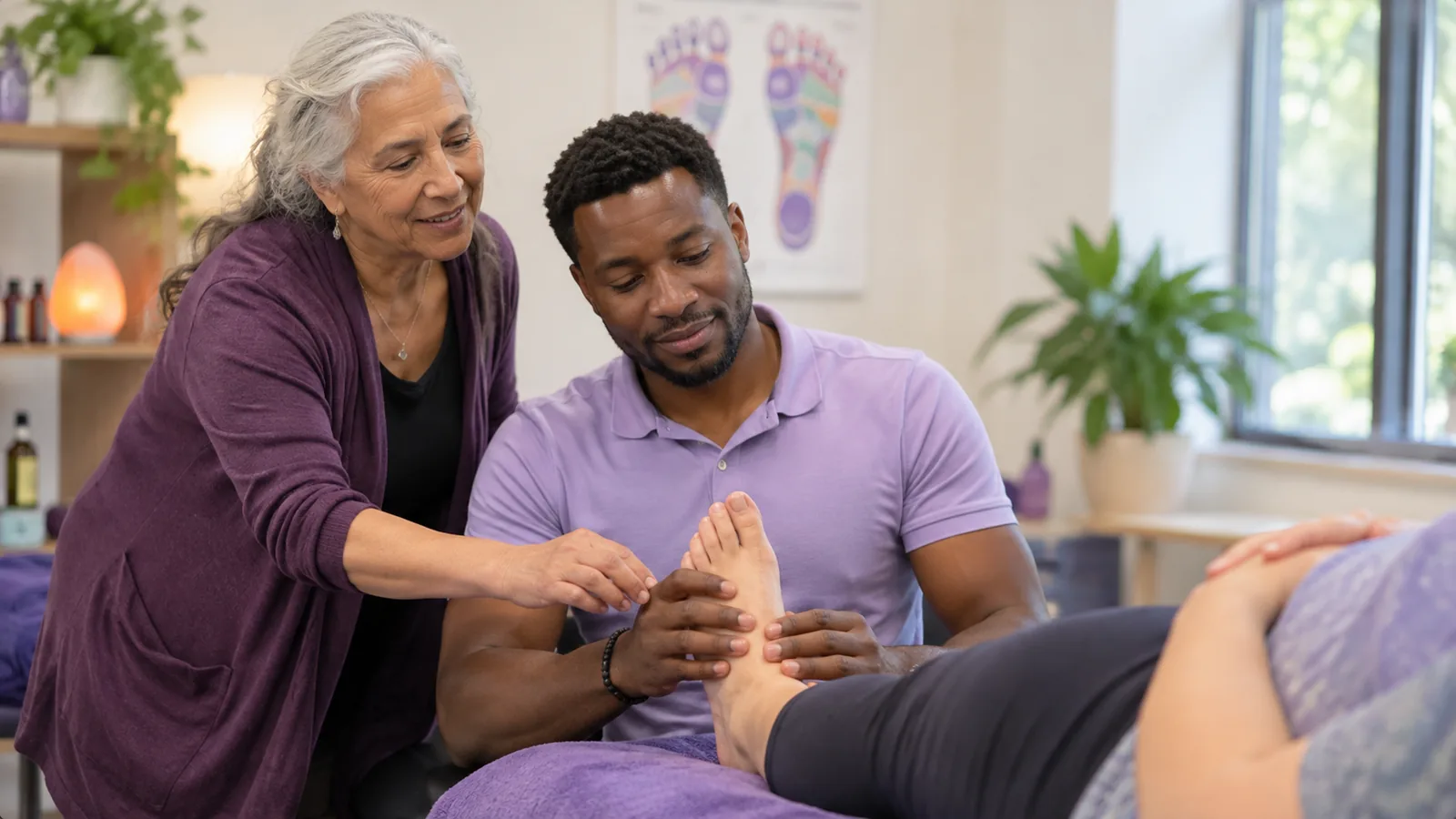
Whichever path you take, choose a program with supervised hands-on practice, anatomy and physiology, contraindications and business basics. Ask how many practical hours are included and whether graduates qualify for association membership.
Step 2: Confirm the rules where you will practise
Rules differ by country, province, state and even city, so verify before you print business cards. This overview is a starting point, not legal advice.
| Topic | Canada | United States |
|---|---|---|
| Professional regulation | Not a regulated health profession provincially; credibility through voluntary associations such as RAC or RRCO | Varies by state. Washington requires certification through its Department of Health; North Dakota and Tennessee license reflexologists; many states exempt reflexology from massage laws |
| Certification body | Association programs and registration (RAC, RRCO and others) | ARCB national certification, plus any state requirement |
| Insurance reimbursement | Some extended health plans cover sessions from recognized association members | Rarely covered by health insurance; clients usually pay out of pocket or with HSA/FSA where eligible |
| Business setup | Register your business name provincially; GST/HST registration may apply once you pass the small supplier threshold | State or city business licence, possibly an EIN; local zoning rules for home-based practices |
| Where to confirm | Your association and provincial business registry | ARCB, your state health or licensing department and your city clerk |
Two practical checks save headaches later. First, if your state or city treats reflexology under massage regulations, practising without the right credential can lead to fines. Second, avoid language that sounds like diagnosis or treatment of disease in your marketing. Describe what you do in terms of relaxation, wellbeing and support, and refer clients to medical providers when needed.
Step 3: Insure yourself before the first paid session
Insurance is not optional once money changes hands. Most reflexologists carry two types of coverage:
- Professional liability (malpractice). Covers claims that a session caused harm or that your advice was negligent.
- General liability. Covers slips, falls and property damage in your space or a client’s home.
Many associations offer group policies to members, which is often the simplest route for a new practitioner. If you plan to see clients at home, confirm that your policy covers mobile work and ask whether your car insurance needs a business use note. Keep a copy of your certificate of insurance handy; spas, wellness centres and corporate clients will ask for it.
Step 4: Set up the practice: space, budget and pricing
Choose your model
- Rented room or wellness centre. Lower risk, built-in foot traffic and a professional setting. Ask about referral arrangements with other practitioners in the building.
- Home studio. Lowest overhead, but check zoning, insurance and parking, and create a clearly separate, calm treatment area.
- Mobile practice. Strong demand from older adults, new parents and busy professionals. You trade rent for travel time, so plan routes and minimum booking areas.
Keep the startup budget lean
Your core list is short: a comfortable reflexology recliner or zero-gravity chair, a portable stool, linens and towels, hygiene supplies, a simple intake and consent process, insurance and association fees, and a booking system. Resist buying everything at once; add equipment as your schedule fills.
Price with intention
Research what reflexologists, massage therapists and other wellness providers charge in your area, then decide where you want to sit. Offer one or two clear session lengths instead of a long menu, and consider a package of three to five sessions for clients with ongoing goals. Our guide on how to price your services as an independent healthcare practitioner walks through the math, including the hidden time you spend on admin and travel. Canadian practitioners weighing their legal structure can also read our comparison of sole proprietorship and incorporation.
Step 5: Book your first clients and keep them coming back
Your first clients will almost always come from people who already know you. The goal is to turn that warm start into a predictable schedule.
- Make booking effortless. Let people book online at any hour instead of waiting for you to reply to messages. As we explain in online booking: the first step to running a professional health practice, clients judge your professionalism by how easy it is to book.
- Protect your time. Automated reminders reduce no-shows, and a clear policy handles the rest. Use our guide on how to write a cancellation and no-show policy before you open your calendar.
- Build referral partners. Midwives, doulas, physiotherapists, massage therapists, yoga studios and seniors’ residences all serve clients who may value reflexology. See how to build a referral network for your independent healthcare practice.
- Ask for reviews at the right moment. A happy client after their third session is your best marketing. Here is how to ask patients for reviews with good timing and ethics.
- Rebook before they leave. Suggesting the next appointment at the end of each session is the single easiest way to build a recurring schedule.

Your reflexology practice opening checklist
Use this list to confirm you are ready to take paying clients:
- Certification completed and association membership active.
- Local rules confirmed for your province, state and city.
- Professional and general liability insurance in place, including mobile work if relevant.
- Business name registered and tax obligations reviewed with an accountant.
- Treatment space ready, or mobile kit and service area defined.
- Prices, session lengths and packages decided.
- Digital intake and consent forms set up, with contraindication questions.
- Online booking live, with automated reminders and a cancellation policy.
- Receipts ready, including any details clients need for extended health claims.
- First referral partners contacted and a review request planned.
How the right software helps you open with confidence
A new practice can run on paper and text messages for a few weeks. After that, the admin starts eating the time you meant to spend with clients. CompanyOn is practice management software built for independent practitioners like reflexologists, trusted by 1K+ practices across Canada & US with a 4.8/5 average rating.
Clients book online and receive automatic reminders, intake and consent forms are completed before the first visit, and your session notes, client records and invoices live in one place. Receipts are ready for clients who claim through extended health plans, and the mobile app lets you check your schedule and client details between home visits. Everything runs with HIPAA and PIPEDA aligned security and SSL protection. Reflexologists already save hours each week this way, as shown in how reflexologists save 5 hours a week with digital tools. See everything built for your specialty on our reflexology solutions page.
Frequently asked questions
Do I need a licence to practise reflexology? It depends on where you work. In Canada, reflexology is not a regulated health profession, so credibility comes from recognized training and association membership. In the US, most states do not license reflexologists, but Washington requires state certification, North Dakota and Tennessee have licensing, and some localities apply massage rules. Always confirm with your local authorities.
How long does it take to become a certified reflexologist? Most recognized programs take several months to a year part time, combining classroom learning, supervised practice and case studies. Ask each school how many practical hours are included and which association recognizes the program.
What insurance does a reflexologist need? Most carry professional liability and general liability coverage. Association group policies are a common, affordable option, and mobile practitioners should confirm that home visits are covered.
Can clients claim reflexology through insurance? In Canada, some extended health plans reimburse reflexology when the practitioner belongs to an association the insurer recognizes. In the US, health insurance rarely covers it, so most clients pay directly. Clear receipts help clients claim wherever coverage exists.
Can I run a reflexology practice from home or as a mobile service? Yes, many reflexologists do. Check local zoning and insurance for a home studio, and plan travel zones and minimum bookings if you go mobile.
How do I get my first reflexology clients? Start with your warm network, make booking easy online, rebook clients before they leave, ask happy clients for reviews and partner with complementary providers such as massage therapists, physiotherapists, doulas and seniors’ residences.
Open your doors with a system, not just a recliner
The reflexologists who grow fastest are rarely the ones with the fanciest studio. They are the ones whose clients can book easily, show up reliably and come back. Book a demo to see how CompanyOn handles booking, forms, notes and invoicing for reflexology practices, or start your free 14-day trial and set up your practice before your first client arrives.